

FTC Anuncia Regla que Prohíbe los Acuerdos de No Competencia
La Regla Final de la FTC Generará Más de 8,500 Nuevos Negocios Cada Año, Aumentará los Salarios de los Trabajadores, Reducirá los Costos de Atención Médica y Estimulará la...
Read More
For thousands of Washington workers earning low wages, the ability to take a second job isn’t just a convenience, it’s a necessity. Rising costs of living often force employees to seek additional income through side gigs or part-time work. But what happens when your employer discourages or restricts you from working elsewhere?
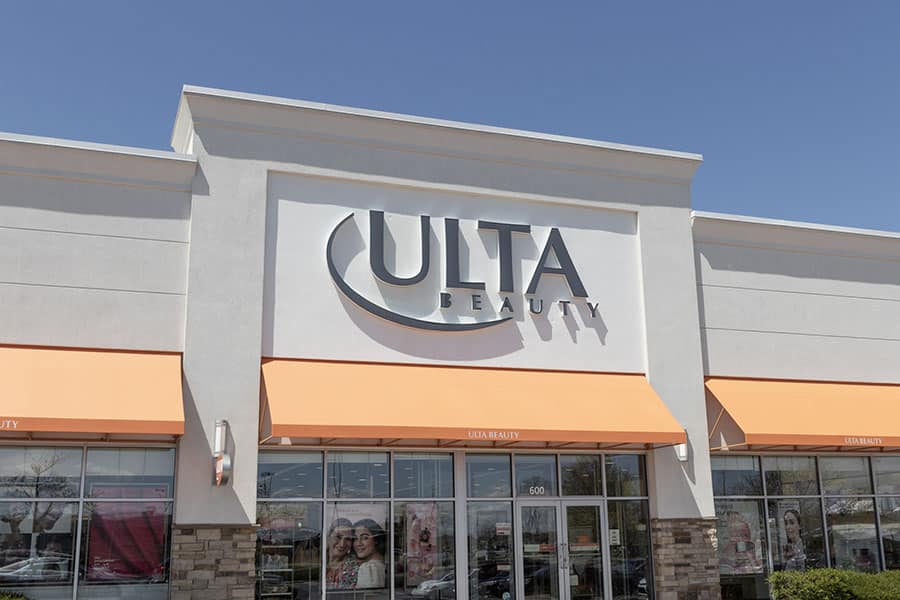
That question is at the center of a lawsuit filed against Ulta Beauty by a former store manager who alleges the company violated Washington State law by limiting low-wage workers’ right to hold outside employment, also known as moonlighting. The case, now pending in federal court, could have major implications for workers across the state.
Under RCW 49.62.070, Washington employers cannot prohibit or restrain employees who earn less than twice the state minimum wage from taking outside work. This law was designed to protect low-wage workers from unfair restrictions that prevent them from supplementing their income.
The statute is clear: if you make less than two times the state’s minimum wage, your employer cannot stop you from working a second job.
The Ulta Beauty lawsuit claims that company’s Code of Conduct violates this law by discouraging its low-wage employees from taking additional jobs. According to the complaint, the company’s policies include language stating that a second job could create a “conflict of interest” if it competes with Ulta or interferes with an employee’s commitment to their role.
While Ulta argues that these guidelines are not a binding contract and do not categorically ban second jobs, the lawsuit contends that the language makes low-wage workers feel they cannot pursue outside employment without risking their primary job.
This lawsuit isn’t just about one person, it’s about protecting the rights of thousands of employees who rely on second jobs to make ends meet. This case represents a class of nearly 4,700 Ulta employees who earned less than twice the state minimum wage since July 2022. If successful, the case could result in $5,000 in damages per worker, plus legal fees.
Employers generally cannot stop you from working a second job if you earn less than twice the state minimum hourly wage. This includes:
Exceptions apply when:
Your legal obligations still stand, including:
The court will decide whether Ulta’s policies amount to an illegal restriction under Washington State law and whether the case can proceed as a class action.
Regardless of the outcome, this case underscores the importance of understanding your rights as a worker. Employers cannot use vague policies or implied threats to limit your ability to support yourself and your family.
At Emery | Reddy, PC, we fight for Washington workers. If your employer has restricted or discouraged you from working a second job, you may have a claim. Contact us today for a Free Case Review and learn how we can help you recover damages and protect your rights.
Whether you’ve been injured on the job, subjected to mistreatment in the workplace, or affected by a privacy breach, our expert attorneys are here to help.