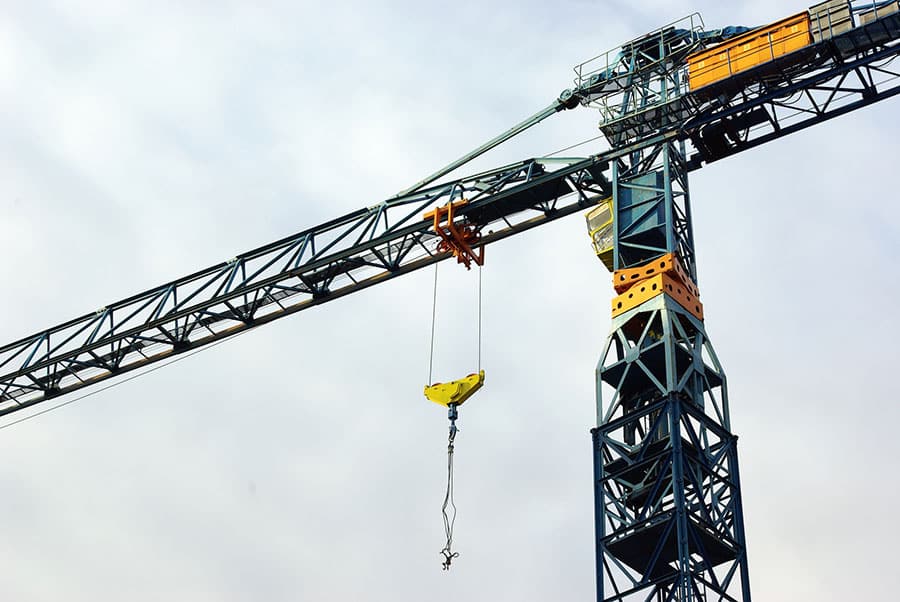
 Common Tower Crane Accidents
According to the most recent information from the Department of Labor and Industries regarding accepted claims, the top five most common crane accidents are the following:
- Struck by an object: With cranes hauling heavy pieces and having swinging parts, it is not surprising that many workers are struck, most often by building materials.
- Overexertion: Crane operators spend many hours performing the same motions over and over again. While these accidents happen almost half as frequently as being struck by objects, they are still quite common.
- Bodily Reaction: Similar to overexertion, bodily reactions normally result from excessive physical effort or repetitive motion.
- Falls on the same level: The most common source of crane injuries are building materials and uneven ground. Many workers have tripped and fallen while loading the crane or performing regular maintenance.
- Caught or crushed by machinery: This kind of injury, while fatal, happens much less often than even slip-and-fall injuries.
While accidents can happen at any time, there are valuable steps you and your coworkers can take to prevent avoidable disasters and save lives.
Common Injuries from Tower Crane Accidents
A decade’s worth of data shows that the most common injury reported to L&I from crane accidents is, by far, what the Department classifies as trauma to muscles, tendons, ligaments, joints, etc. Not only can muscle trauma result from blunt trauma such as being struck by materials or machinery, but these injuries also include sprains, strains, and tears. Overexertion, bodily reaction, and falls are all accidents that do not normally break the skin but rather affect muscles and joints upon impact or following excessive or repetitive motion.
 Is Your Tower Crane Accident a Third-Party Claim or a Washington State L&I Claim?
Third-Party Claim
A third-party claim is one in which someone other than your employer or co-worker is responsible for your injury. If you have been injured on the job due to someone else’s actions or negligence, you may be entitled to additional compensation through a third-party claim, which combines your L&I claim with a personal injury claim using the same facts.
Unlike workers’ compensation payments, there is no limit to the amount of compensation an injured worker may seek in third-party damages. Third-party claims are private matters and are typically litigated directly with the Washington State Superior Court.
If your back injury leaves you out of work for an extended period of time, you may be entitled to compensation for pain, suffering, and lost wages.
Washington State L&I Claim
A Washington state L&I claim results from a workplace injury or occupational disease. An L&I claim is monitored and managed by an L&I Claims Manager who sees the process through from initial claim filing to closure. If all goes as planned, your claim is accepted by L&I and you will receive certain benefits.
When you are injured or contract certain types of illnesses at work, you are entitled to certain workers’ compensation benefits. You can file an L&I claim in Washington state through the L&I website’s File Fast tool, by calling the L&I office at 877.561.3453, or at your doctor’s office. After you file, it is imperative that you call an experienced L&I attorney to help you navigate the L&I claims process.
 What Compensation Can You Recover for Tower Crane Accidents?
- Medical benefits: L&I medical benefits will cover all medical costs associated with your claim. This can include doctor appointments, treatments, surgeries, occupational therapy, and prescription medications.
- Time-loss benefits: If you are approved for time-loss benefits, you may receive compensation for the lost wages and vocational rehabilitation.
1. L&I disability pension: a life-long benefit awarded to injured workers who will never be able to return to any gainful employment due to a severe or life-threatening injury.
2. Permanent partial disability (PPD) award: a one-time sum paid to injured workers when their L&I claim is closed. The worker can re-enter the workforce following a PPD award.
3. Claim resolution settlement agreement (CRSA): an L&I settlement option where all parties agree to close an injury claim for a specified amount. When agreeing to this settlement type, the injured worker exchanges all future L&I benefits, except medical, for the payment.
We understand that many families depend on the income of an injured worker, and our Tower Crane Accident Attorneys are dedicated to winning the benefits and compensation you are entitled to by law. Our practice was founded on a commitment to advocating for workers’ rights, and we are proud of our record protecting the injured and disabled. Call us today for a Free Case Review with an experienced Intake Specialist and learn how Emery | Reddy may be able to help. No fee unless we recover for you.