


What Is an Automated License Plate Reader (ALPR)?
Automated license plate reader technology uses cameras, optical character recognition, and software to capture and store images of vehicle license plates. These systems can also log:
- Date and time of vehicle scans
- Location data (GPS coordinates)
- Vehicle identifiers or attributes
- Movement patterns over time
ALPR systems are increasingly used in shopping centers, parking garages, residential developments, and private commercial properties, often without drivers’ awareness.
California Legal Protections Against ALPR Systems
California drivers may have legal rights following allegations that major retailers deployed automated license plate reader (ALPR) systems to collect and share vehicle location data with law enforcement networks without complying with California’s ALPR privacy laws.
Under California law, businesses using ALPR technology must maintain, implement, and disclose specific usage and privacy policies. When companies fail to meet these statutory requirements, drivers may have claims for privacy violations and unlawful data practices, even if no traditional data breach occurred.
Allegations Involving ALPR Systems
According to recent allegations some companies have installed ALPR systems on their properties and collected license plate data from shoppers, employees, and visitors.
The alleged conduct includes claims that:
- Drivers were not adequately notified their data was being collected
- Vehicle location data was shared with law enforcement agencies or data networks
- Required ALPR privacy and usage policies were not maintained or published
If proven, these practices may violate California law governing private use of surveillance technologies.
California’s ALPR Law and Privacy Requirements
California strictly regulates ALPR technology through California Civil Code § 1798.90.51–1798.90.55.
Under the law, entities using ALPR systems must:
- Implement reasonable security measures to protect ALPR data
- Adopt, maintain, and follow a written ALPR usage and privacy policy
- Make that policy publicly available or accessible upon request
- Limit data use to authorized, legitimate purposes
- Restrict sharing with third parties, including law enforcement
- Regularly audit compliance and prevent misuse
Failure to comply can expose organizations to statutory penalties, injunctive relief, and civil liability, regardless of whether a data breach occurred.
Why License Plate and Location Data Is Highly Sensitive
License plate data linked with location and timestamps can reveal:
- Daily habits and routines
- Workplaces, medical visits, or legal appointments
- Religious, political, or personal associations
- Patterns that allow long‑term tracking of individuals
Because this data can be used to reconstruct a person’s movements over time, California law treats ALPR information as particularly sensitive and worthy of heightened protection.
Potential Legal Claims for Affected California Drivers
Drivers whose license plate data was collected, stored, or shared without proper safeguards may have claims under:
- California’s ALPR statutes
- State privacy and consumer protection laws
- Unfair competition laws
- Common‑law privacy claims
Importantly, affected drivers may not receive notice when ALPR policies are violated, making enforcement dependent on investigation and legal action.
Do companies have the right to collect license plate data?
Only if they comply with California law. ALPR use requires specific policies, disclosures, and safeguards. Collecting and sharing data without them may be unlawful.
Is this the same as a data breach?
No. These cases often involve improper data practices, not hacking. Companies can be liable simply for failing to follow ALPR statutes.
What if I never gave consent?
Consent is a key issue. Drivers typically do not affirmatively consent to ALPR tracking, which is why the law emphasizes transparency and policy compliance.
How would I know if my data was shared?
Most drivers would not know. ALPR sharing often occurs behind the scenes, which is why investigations and litigation are necessary.
Who may be affected?
Anyone who parked or drove through mall‑owned parking facilities in California where ALPR systems were in use during the relevant period may be affected.
How Emery | Reddy Can Help
Emery | Reddy, PC represents individuals in privacy, consumer protection, and unlawful data practice cases, including claims involving surveillance technology and statutory violations. Our firm is investigating whether companies failed to follow California’s ALPR laws, and whether drivers’ rights were violated as a result. If you believe your privacy rights may have been impacted by the use of license plate reader technology, we encourage you to reach out to Emery | Reddy to learn more.
Want More Information?

Data Breach FAQ
A data breach occurs when sensitive or confidential information is accessed, stolen, or exposed without authorization. If you have been the victim of a data breach, contact Emery | Reddy today.

Document Review
A document review is a comprehensive consultation and analysis of your document’s legal language, context, and impact on your worker’s rights as an employee of Washington state.

Privacy Breach
In today’s digital landscape, cyberattacks and data breaches have become alarmingly common, compromising the personal and financial information of millions of individuals.
We fight for you
Meet the Team
Whether you’ve been injured on the job, subjected to mistreatment in the workplace, or affected by a privacy breach, our expert attorneys are here to help.

Timothy W. Emery
Meet Timothy

Patrick B. Reddy
Meet Patrick

M. Anderson Berry
Meet Anderson
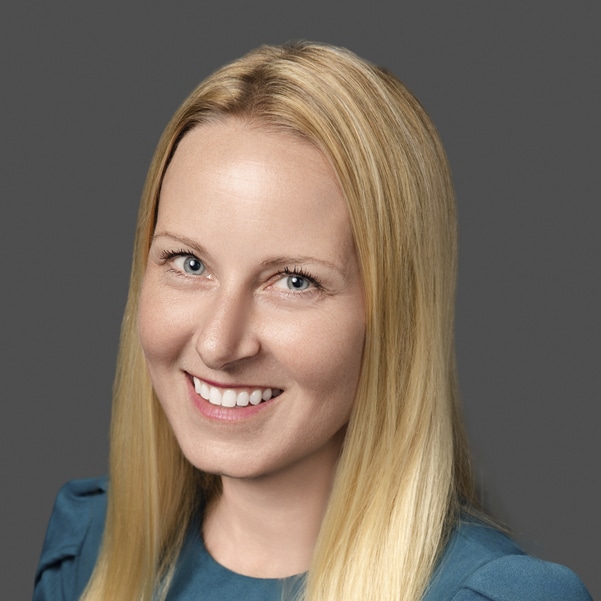
Karolina S. Arthur
Meet Karolina

James H. Beadles
Meet James

Calum Bryant
Meet Calum

Paul Cipriani Jr.
Meet Paul

Cedar Q. Cosner
Meet Cedar
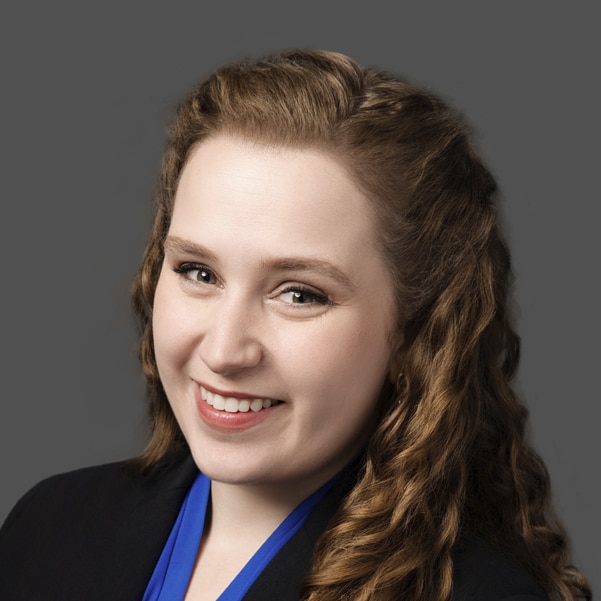
Paige V. Gagliardi
Meet Paige
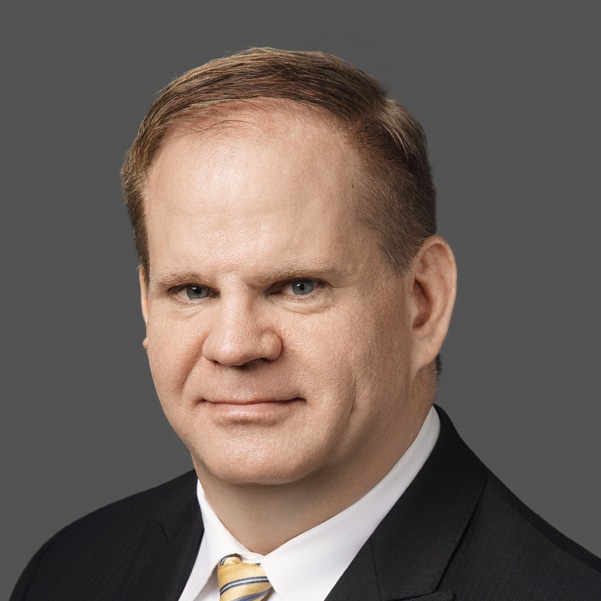
Brook Garberding
Meet Brook
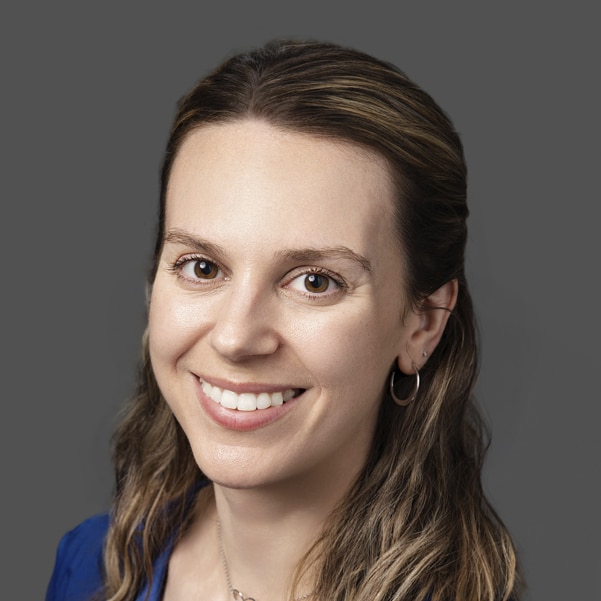
Hannah Hamley
Meet Hannah

Gregory Haroutunian
Meet Gregory

Brandon Jack
Meet Brandon
Rachel Moore
Meet Rachel

Julissa Rachor
Meet Julissa

Andrew Snyder
Meet Andrew

Jackson Stephens
Meet Jackson

David Van Etten
Meet David