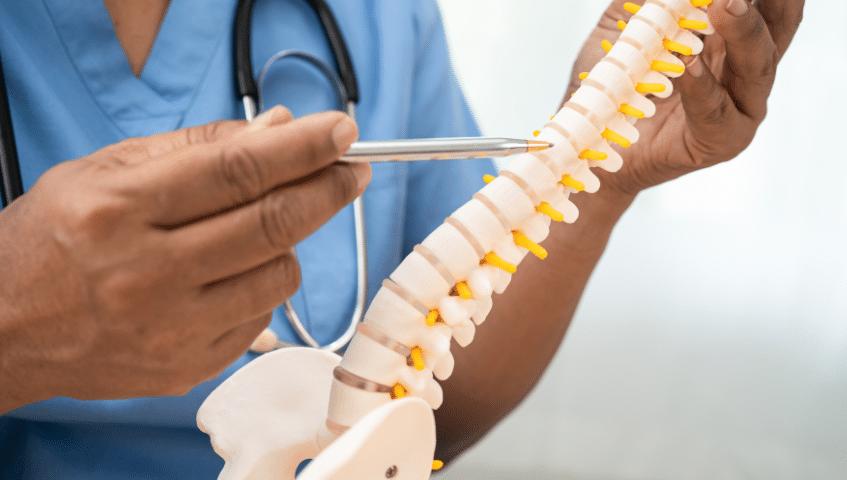
 What Is an Independent Medical Exam (IME)?
An Independent Medical Exam (IME) is a medical evaluation requested by the Washington State Department of Labor and Industries (L&I) or a self-insured employer (SIE) to review your medical history and accident details, to establish finding, opinions, and conclusions about your physical condition. IMEs are conducted by approved L&I providers and are intended to be objective, so no patient-provider relationship is established. During the exam, the provider will review your medical history and accident details to establish finding, opinions, and conclusions about your physical condition, including:
Evaluation of injury severity: An Independent Medical Exam (IME) aims to provide an objective assessment of the severity of the spinal cord injury, including its physical and functional implications. This evaluation helps determine the extent of impairment and the impact on the individual’s ability to work and perform daily activities.
Unfortunately, IMEs can be problematic. For one, the injured worker does not usually get a say in who conducts their IME. What’s more, L&I doctors are rarely as neutral or objective as they claim. They tend to be more loyal to the insurance company that hired them, and, in many cases, their reports and assessments will try to make the case that an injured worker is fine.
Causation determination: In cases where there may be questions regarding the cause of the spinal cord injury, an Independent Medical Exam aims to establish whether the injury is, in fact, related to the industrial injury or occupational disease. This evaluation is crucial for determining eligibility for workers’ compensation benefits.
Many IME doctors will attempt to claim that the worker’s condition is not related to an industrial injury, but was a pre-existing condition neither aggravated nor sustained at the workplace. Such accusations can massively impact the length and validity of a claim, let alone the potential for any future award and further treatment.
Treatment recommendations: IME reports often include recommendations for medical treatment, rehabilitation, and ongoing care tailored to the specific needs of the injured worker. These recommendations help guide the individual’s recovery process and ensure they receive appropriate care.
Adding Conditions: Sometimes L&I Claims Managers recommend IME exams when a client wants to add a condition to their claim, finding that an accident-related injury took longer to surface. Other times it’s because the industrial injury or occupational illness has caused further complications or aggravated a pre-existing condition.
When one sustains a catastrophic injury to one part of the body, it is easy to miss lesser injuries elsewhere. Additionally, the stress of an industrial injury or occupational illness can often worsen a pre-existing condition. If left untreated, these lesser or former conditions can become a great burden on an injured worker, making the recovery process much longer than it might otherwise have been.
What Is the Impact of an Independent Medical Exam (IME) on Permanent Partial Disability (PPD) Rating?
The findings of an IME can significantly influence the potential PPD rating assigned to a workplace-related spinal cord injury. L&I considers the results of the IME, along with other medical evidence and documentation, in determining the extent of permanent impairment and the corresponding compensation awarded to the injured worker.



 Spinal Cord Injuries and Permanent Partial Disability (PPD) Ratings
 How Much Is a Spinal Cord Injury Claim Worth?
 Is Your Spinal Cord Injury a Third-Party Claim or a Washington State L&I Claim?
 What Compensation Can You Recover for Spinal Cord Injuries?