
Some Companies Lower Salaries In Job Postings
October 30, 2023 Stephanie Dhue, cnbc.com State and local pay transparency laws enacted over the last few years have more employers disclosing salary ranges in job descriptions. Yet, wages...
Read More
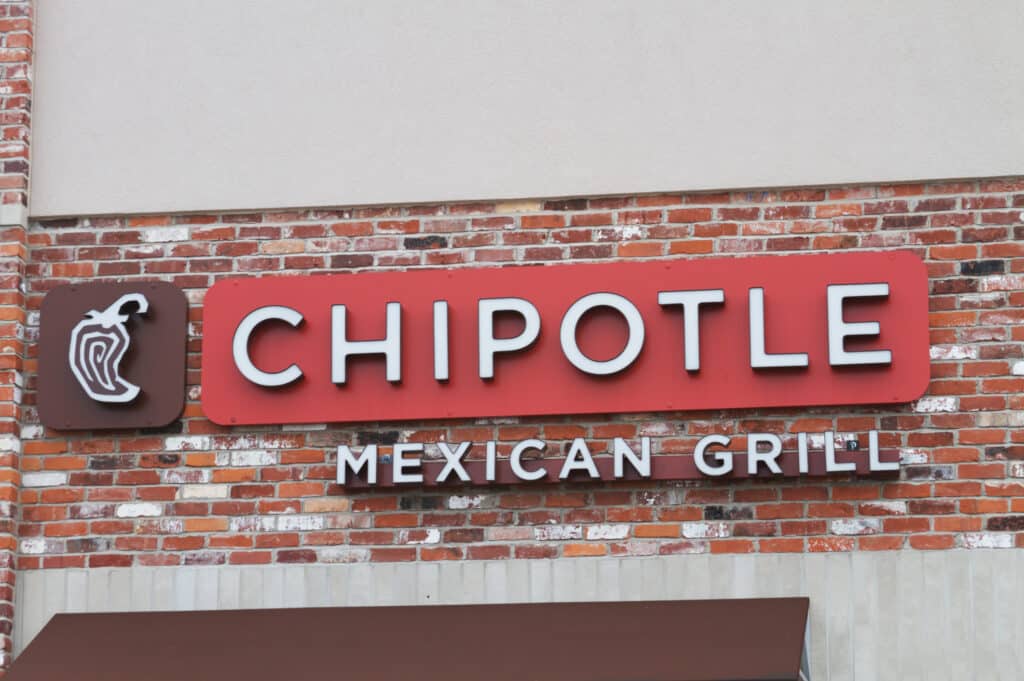
A proposed class action filed in Washington state court is putting scheduling fairness for Seattle restaurant workers back in the spotlight. A Chipotle employee alleges the company failed to follow Seattle’s worker‑protection laws governing predictable schedules and timely pay, laws designed to protect hourly employees from last‑minute changes that can disrupt their lives and income.
Seattle has some of the strongest worker scheduling protections in the country. Under the Secure Scheduling Ordinance, large employers in industries like food service must:
The city also enforces a Wage Theft Ordinance, which requires employers to pay all earned wages and compensation on time and in full. When employers fail to do so, workers may be entitled not only to the missing pay, but potentially double damages.
According to the lawsuit, a Seattle‑area Chipotle worker claims the company repeatedly changed employee schedules without providing the legally required advance notice. The complaint also alleges that when schedules were adjusted at the last minute, or when employees were scheduled for shifts too close together, Chipotle failed to pay the extra compensation owed under Seattle law.
In addition, the employee alleges that these unpaid amounts were not properly included in regular wage payments, which would also violate the city’s wage theft protections.
While the allegations have not yet been proven in court, the lawsuit highlights ongoing concerns in the restaurant industry, where fluctuating staffing needs can clash with worker‑protection laws meant to create stability and fairness.
The proposed case seeks to represent current and former non‑exempt Chipotle employees who worked at Seattle locations within a defined time period beginning in 2023. Multiple Chipotle‑related corporate entities are named as defendants.
If the court allows the case to proceed as a class action and the claims are successful, affected workers could be entitled to:
Predictable scheduling laws exist for a reason. Last‑minute schedule changes can make it difficult for workers to arrange childcare, attend classes, manage a second job, or simply budget from paycheck to paycheck.
Seattle’s ordinances recognize that the burden of unpredictable scheduling should not fall entirely on workers, especially when corporations have access to sophisticated scheduling systems and ample resources.
Cases like this serve as reminders that:
Our firm brought this case to enforce Seattle’s Secure Scheduling Ordinance and Wage Theft Ordinance and to hold Chipotle accountable for allegedly failing to provide required notice, rest periods, and compensation to its Seattle workers. We are proud to advocate for employees whose rights have been violated and to pursue recovery of unpaid wages and statutory damages on behalf of affected workers. This case reflects our firm’s continued commitment to protecting working people and ensuring that employers comply with Washington’s labor and employment laws.
If you think that your worker’s rights may have been violated, call Emery | Reddy today at 206.442.9106.
Whether you’ve been injured on the job, subjected to mistreatment in the workplace, or affected by a privacy breach, our expert attorneys are here to help.