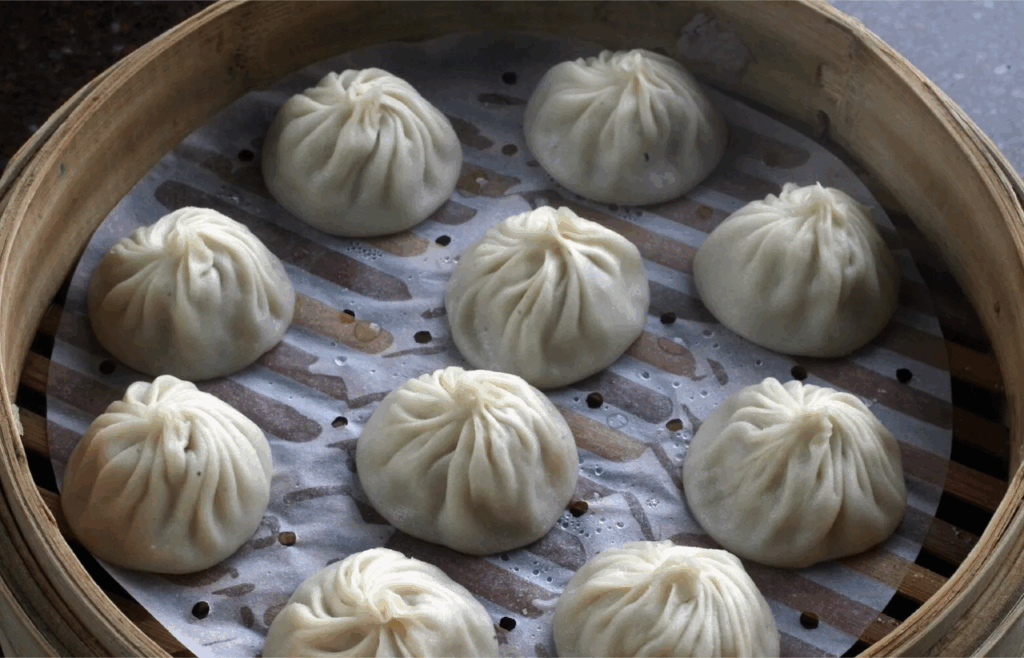
Din Tai Fung, the popular soup dumpling chain, has agreed to pay $567,361 in restitution to 1,245 current and former employees over allegations of wage theft and for not providing proper rest and meal breaks to its staff, the Seattle Office of Labor Standards announced Wednesday.
Image courtesy of The Seattle Times
As part of the settlement, Din Tai Fung has agreed to implement and post “meal and rest break policies” that fall in line with the city’s Paid Sick and Safe Time ordinance, the city said.
In a prepared statement released to The Seattle Times, Din Tai Fung management said, “We recognize the importance of ensuring those policies are clearly communicated and consistently applied. We’ve taken meaningful steps to strengthen compliance while remaining flexible to our team members’ needs across our operations. These include improved systems for tracking attendance and breaks, enhanced management training, and robust internal processes to uphold our updated policies. We remain committed to fostering a supportive work environment, and these measures reflect our ongoing efforts to care for our team at the highest standard.”
The $567,361 restitution covers the period from Jan. 11, 2020, to Dec. 6, 2023, and includes the 1,245 cooks, servers and other kitchen and front-of-house staff who worked at the Din Tai Fung restaurants in Pacific Place, University Village or at its commissary prep kitchen in Sodo.
Before the settlement, labor investigators were looking into complaints that Din Tai Fung interfered with workers’ use of paid sick time and allegations that the restaurant failed to provide employees with meals and rest breaks.
The investigation ended when Din Tai Fung agreed to pay “back wages and damages and take other steps to comply” with the city’s labor ordinances, according to the settlement documents.
Under Seattle’s wage theft ordinance, employees must receive a paid 10-minute break for every four hours worked, “either as a solid 10-minute break or through intermittent periods of rest.” Also, per the ordinance: “Most employees working over five hours must also receive a 30-minute meal break unless the employee voluntarily waives it.”
Under the city’s paid sick and safe time ordinance, an employee working for a companythe size of Din Tai Fung must earn one hour of “paid sick and safe time” for every 30 hours worked, and workers can “carry over 72 hours of unused hours from year to year.” “Safe Time” covers a wide range of personal time off to deal with family matters such as childcare.
Steven Marchese, director of the city’s Office of Labor Standards, said, “The number of employees at a single restaurant who experienced PSST (Paid Sick and Safe Time) and wage theft violations highlights the need to increase awareness of these laws. It underscores the importance of workers knowing their rights in the workplace and serves as a reminder to businesses that compliance with Seattle labor laws is not optional — it’s a legal requirement, and workers’ rights must be respected.”
Whether you’ve been injured on the job, subjected to mistreatment in the workplace, or affected by a privacy breach, our expert attorneys are here to help.
"Very friendly interview and intake process. I was informed thoroughly about the processes in obtaining a lawyer and was given ample time to make a decision on representation. I’m thankful for everyone’s help and looking forward to working with this Firm on my worker’s compensation claim."
To provide the best experiences, we use technologies like cookies to store and/or access device information. Consenting to these technologies will allow us to process data such as browsing behavior or unique IDs on this site. Not consenting or withdrawing consent, may adversely affect certain features and functions.
Functional
Always active
The technical storage or access is strictly necessary for the legitimate purpose of enabling the use of a specific service explicitly requested by the subscriber or user, or for the sole purpose of carrying out the transmission of a communication over an electronic communications network.
Preferences
The technical storage or access is necessary for the legitimate purpose of storing preferences that are not requested by the subscriber or user.
Statistics
The technical storage or access that is used exclusively for statistical purposes.The technical storage or access that is used exclusively for anonymous statistical purposes. Without a subpoena, voluntary compliance on the part of your Internet Service Provider, or additional records from a third party, information stored or retrieved for this purpose alone cannot usually be used to identify you.
Marketing
The technical storage or access is required to create user profiles to send advertising, or to track the user on a website or across several websites for similar marketing purposes.