

Personal Protective Equipment (PPE) Proposal
A new proposal is under review at the Washington State Department of Labor & Industries. Under this proposal, employers would not be able to bar the use of Personal Protective Equipment...
Read More
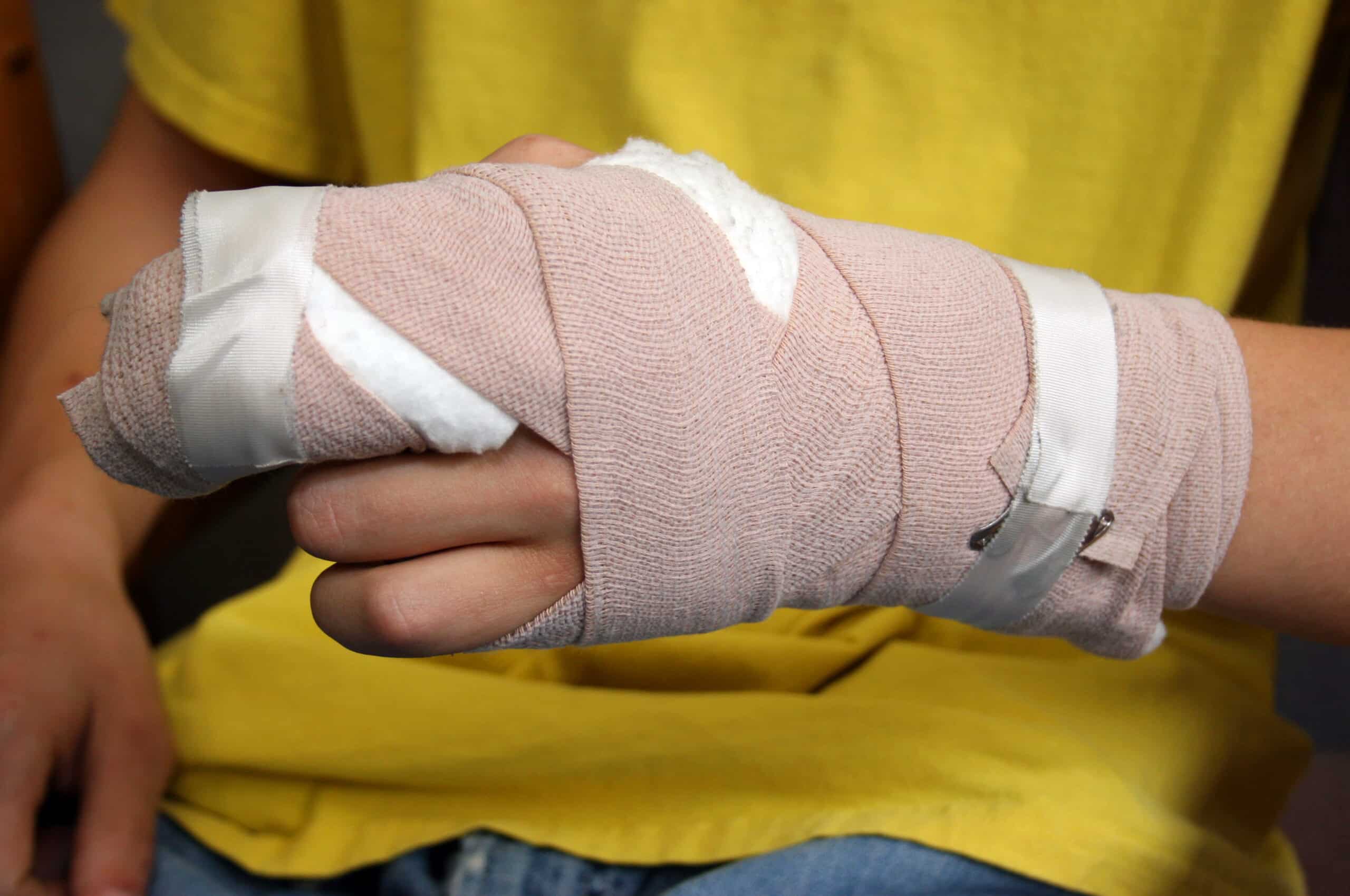
Washington’s Department of Labor & Industries handles tens of thousands of workplace injury claims every year, and one type of injury accounts for more of them than any other.
L&I managed approximately 95,000 State Fund workers’ compensation claims in 2019 alone, according to a Washington State Legislature review, and that figure doesn’t include claims handled by self-insured employers.
Source: Washington State Joint Legislative Audit and Review Committee (JLARC), Workers’ Compensation Claim Management for State Funded Claims report, January 2021
L&I tracks more than 300 distinct types of workplace accidents. A single claim can involve more than one injury, but it’s tied to one accident: the event that caused the injury, not the injury itself.
Ranked from least to most common, based on accepted L&I claim data:
#10. Intracranial injuries of the cranial region, including the skull
Traumatic brain injuries caused by a blow to the head. Falls, collisions, and forceful head movements are common causes, and symptoms can be delayed rather than immediate.
#9. Muscle, tendon, ligament, and joint injuries of the ankle
Strains (muscle and tendon damage) and sprains (ligament and joint capsule damage) both fall in this category, and recovery time, which affects time-loss benefits, varies by injury type.
#8. Muscle, tendon, ligament, and joint injuries affecting multiple body parts
Typically caused by motor vehicle accidents, falls, or collisions that affect more than one region of the body at once.
#7. Open wounds of the hand, excluding fingers
Often caused by power tools or sharp objects. About 50% of accepted open wound claims in 2022 were filed by freight workers.
#6. Surface wounds and bruises of the face
Superficial cuts, scrapes, or bruises from blunt trauma or friction, with healing time varying by severity.
#5. Multiple traumatic injuries affecting multiple body parts (polytrauma)
Caused by serious incidents such as vehicle crashes or falls, and capable of causing lasting effects across more than one part of the body.
#4. Muscle, tendon, ligament, and joint injuries of the leg
Includes hip and knee injuries as well as soft-tissue damage to the femur, tibia, and fibula. Common among workers who spend long shifts on their feet.
#3. Muscle, tendon, ligament, and joint injuries of the shoulder
Covers rotator cuff tears and arthritis from accumulated wear, as well as dislocations and fractures from a single high-energy incident.
#2. Muscle, tendon, ligament, and joint injuries of the back and spine
Car accidents and falls are the leading causes, and factory workers, nurses, and truck drivers are among the most affected. Poor posture is a contributing factor as well.
#1. Open wounds of the fingers and fingernails
The single most common accepted L&I injury claim in Washington. The majority of these claims come from laborers across a range of fields, and frequent hand cleaning is one of the most effective ways to prevent infection afterward.
Open wounds of the fingers and fingernails outrank every other injury type in accepted L&I claims, and hand injuries as a category show up twice in the top 10. Workers whose jobs involve repetitive manual tasks, power tools, or handling freight face the highest exposure: freight workers alone accounted for about half of all accepted open wound claims in 2022.
A workplace injury claim doesn’t always get accepted, valued, or paid the way it should be, especially for injuries like back and shoulder trauma that can have long-term effects. Workers facing a denied claim, a disputed rating, or an employer that disputes how an injury happened may have options worth discussing with an attorney.
Contact the Workplace Injury Attorneys at Emery | Reddy today for a Free Case Review.
What’s the difference between an accident and an injury for an L&I claim?
An accident is the event that caused harm, such as a fall or a collision with equipment. An injury is the physical harm that resulted and the reason you’re taking time away from your regular duties. One claim is tied to one accident, but it can involve more than one injury.
What’s the most common workplace injury in Washington?
Open wounds of the fingers and fingernails are the most common accepted L&I claim, followed closely by back and spine injuries and shoulder injuries.
Does being on this list mean my claim will automatically be accepted?
No. Being a common injury type doesn’t guarantee acceptance. L&I still reviews each claim on its own facts, and a common injury can still be denied, undervalued, or disputed.
Should I talk to an L&I attorney?
If your claim was denied, your injury rating seems too low, or your employer disputes how the injury happened, it’s worth a conversation before you accept a decision you can’t undo. Emery | Reddy has represented Washington workers in L&I claims for years. Contact us at 206.207.8929 for a Free Case Review.
Whether you’ve been injured on the job, subjected to mistreatment in the workplace, or affected by a privacy breach, our expert attorneys are here to help.