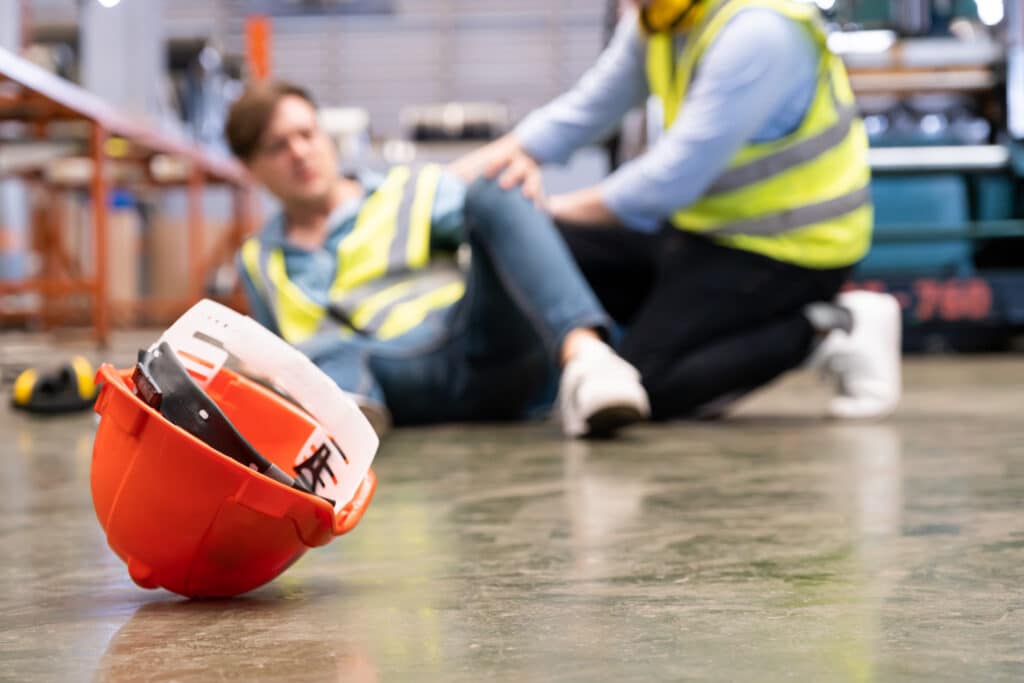
Construction Work in Washington Comes With Serious Risks
Construction is one of the most hazardous industries in Washington state, placing workers at constant risk of injury on job sites ranging from small residential projects to major commercial and infrastructure developments. Despite safety standards enforced by the Washington State Department of Labor & Industries (L&I) and OSHA, construction workers continue to experience injury rates well above the statewide average for most occupations. Understanding the most common workplace injuries in Washington’s construction industry can help workers recognize hazards, seek timely medical care, and protect their legal rights when accidents occur.
Falls From Heights Are the Leading Cause of Serious Injuries
Falls remain the single leading cause of serious injury and death in the construction industry. Washington construction workers frequently perform tasks on scaffolding, ladders, rooftops, and elevated platforms, often in changing weather conditions or on uneven surfaces. Even when fall protection is present, missing guardrails, improperly secured harnesses, or rushed work schedules can result in catastrophic accidents. Falls commonly lead to broken bones, traumatic brain injuries, spinal cord damage, and permanent disability, requiring extensive medical treatment and time away from work. Washington L&I data and federal safety reports consistently identify falls as a top contributor to construction‑related injuries and fatalities across the state.
Struck‑By Accidents Are a Common Construction Hazard
Struck‑by incidents occur when workers are hit by falling tools, flying debris, swinging equipment, or moving vehicles. These accidents are especially common on busy job sites where multiple contractors and trades are working in close proximity. A worker may be struck by materials dropped from above, hit by a backing truck, or injured by the unexpected movement of heavy equipment. Struck‑by injuries often result in head trauma, fractures, crush injuries, and sometimes fatal outcomes, particularly when proper site coordination or safety controls are lacking.
Caught‑In or Caught‑Between Injuries Can Be Devastating
Caught‑in or caught‑between injuries occur when a worker is pinned, crushed, or trapped between machinery, materials, or collapsing structures. These accidents frequently involve trench collapses, unguarded equipment, rotating machinery, or shifting loads. The resulting injuries are often severe and may include amputations, crushed limbs, internal organ damage, or death. Safety authorities consistently rank caught‑in‑between hazards among the most dangerous risks on construction sites, and many of these incidents are preventable with proper training, guarding, and site supervision.
Electrical Injuries and Electrocutions Remain a Serious Concern
Electrical hazards are another major source of injury in Washington’s construction industry. Workers may come into contact with overhead power lines, exposed wiring, energized equipment, or improperly grounded systems. Electrical injuries are particularly dangerous because electrical currents can cause severe burns, cardiac complications, nerve damage, and internal injuries that may not be immediately visible. On complex construction projects involving multiple trades, poor communication and incomplete safety planning increase the risk of electrocution or serious electrical shock.
Overexertion and Musculoskeletal Injuries Are Among the Most Common Claims
Not all construction injuries are caused by sudden accidents. Overexertion and repetitive stress injuries are among the most frequently reported non‑fatal injuries in Washington’s construction workforce. Heavy lifting, awkward postures, repetitive movements, and physically demanding tasks can cause back injuries, shoulder damage, knee injuries, and chronic joint conditions. These musculoskeletal injuries can develop gradually or occur during a single lifting incident and often prevent workers from returning to full duty. L&I data shows that injuries involving the back, spine, and shoulders account for a significant portion of accepted workers’ compensation claims in the construction industry.
Exposure to Hazardous Materials Can Cause Long‑Term Illness
Construction workers are routinely exposed to hazardous substances such as silica dust, asbestos, lead, solvents, and other chemicals. Long‑term or repeated exposure can lead to serious occupational diseases, including lung disease, neurological disorders, and other chronic health conditions. Unlike traumatic injuries, occupational diseases may take years to develop, but they are still compensable under Washington’s workers’ compensation system. Workers experiencing symptoms related to chemical exposure should seek medical evaluation and report concerns as early as possible.
Vehicle and Equipment‑Related Accidents Are a Persistent Risk
Heavy equipment and construction vehicles are a constant presence on job sites, and accidents involving this machinery can cause catastrophic harm. Forklifts, cranes, dump trucks, and other large equipment pose significant dangers when operated improperly or without adequate safety controls. Workers on foot are especially vulnerable to being struck, pinned, or run over in congested work zones. Vehicle‑related incidents are a leading cause of serious injuries and fatalities on construction sites in Washington, particularly in roadway and infrastructure projects.
Workers’ Compensation and Third‑Party Claims in Construction Injuries
Most construction workers injured on the job in Washington are covered by the state’s no‑fault workers’ compensation system administered by L&I. This system provides medical care, wage‑replacement benefits, and potential permanent disability compensation. However, construction injuries often involve multiple contractors, subcontractors, and equipment suppliers. In certain cases, injured workers may also have a third‑party claim against a negligent contractor, property owner, or equipment manufacturer. Identifying all available sources of compensation is critical, particularly after severe or disabling injuries.
Understanding Your Rights After a Construction Injury
Construction injuries can carry long‑term physical, financial, and emotional consequences. Whether caused by a fall, electrical exposure, equipment malfunction, or repetitive strain, these injuries can disrupt careers and place immense stress on workers and their families. Understanding the most common workplace injuries in Washington’s construction industry helps workers recognize unsafe conditions and take informed action after an accident. Prompt medical treatment, accurate reporting, and knowledgeable legal guidance can make a meaningful difference in recovery and long‑term stability.
Whether you’ve been injured on the job, subjected to mistreatment in the workplace, or affected by a privacy breach, our expert attorneys are here to help.
"Very friendly interview and intake process. I was informed thoroughly about the processes in obtaining a lawyer and was given ample time to make a decision on representation. I’m thankful for everyone’s help and looking forward to working with this Firm on my worker’s compensation claim."
To provide the best experiences, we use technologies like cookies to store and/or access device information. Consenting to these technologies will allow us to process data such as browsing behavior or unique IDs on this site. Not consenting or withdrawing consent, may adversely affect certain features and functions.
Functional
Always active
The technical storage or access is strictly necessary for the legitimate purpose of enabling the use of a specific service explicitly requested by the subscriber or user, or for the sole purpose of carrying out the transmission of a communication over an electronic communications network.
Preferences
The technical storage or access is necessary for the legitimate purpose of storing preferences that are not requested by the subscriber or user.
Statistics
The technical storage or access that is used exclusively for statistical purposes.The technical storage or access that is used exclusively for anonymous statistical purposes. Without a subpoena, voluntary compliance on the part of your Internet Service Provider, or additional records from a third party, information stored or retrieved for this purpose alone cannot usually be used to identify you.
Marketing
The technical storage or access is required to create user profiles to send advertising, or to track the user on a website or across several websites for similar marketing purposes.