
Pregnant Delivery Driver Unjustly Fired
Firing pregnant workers who can’t perform certain job duties like lifting heavy objects is against the law. But that didn’t stop a pair of FedEx contractors from terminating pregnant delivery...
Read More
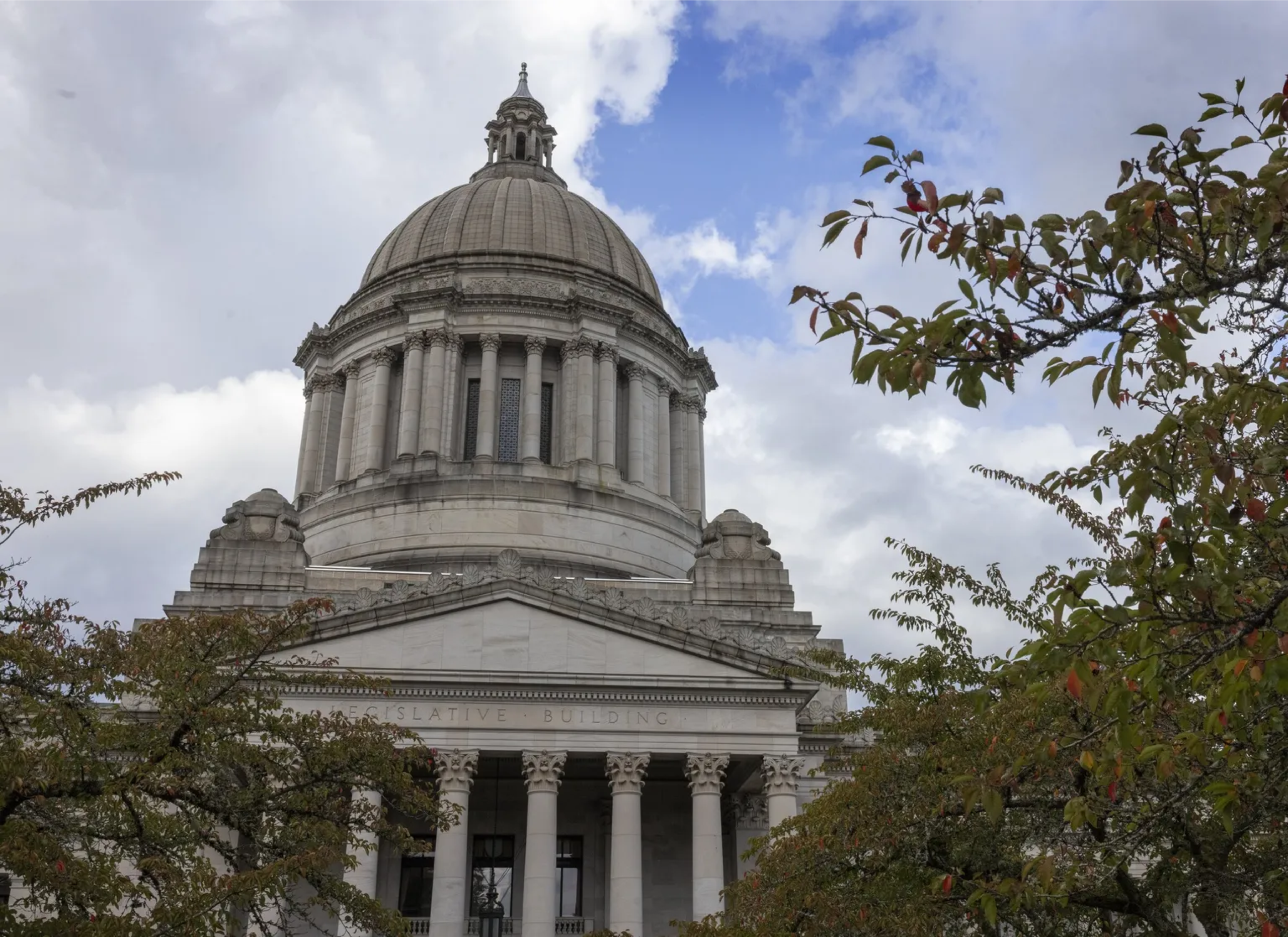
Washington state continues to lead the nation in worker protections and wage standards. Starting January 1, 2026, the state’s minimum wage officially increases to $17.13 per hour, up from $16.66 in 2025. This change reinforces Washington’s position as the state with the highest minimum wage in the country, a distinction that impacts hundreds of thousands of workers and businesses statewide.
The new statewide minimum wage of $17.13 per hour applies to most workers in Washington. This increase is part of the state’s annual adjustment process, which accounts for inflation and cost-of-living changes. For comparison, the federal minimum wage remains stagnant at $7.25 per hour, a rate that hasn’t changed since 2009. Washington’s wage is more than double that amount, reflecting the state’s commitment to fair compensation.
Youth Employment Exception
Employers hiring 14- and 15-year-old workers may pay 85% of the state minimum wage, which equals $14.56 per hour. This exception is designed to encourage youth employment while maintaining strong wage protections.
While the statewide minimum wage sets the baseline, local governments in Washington have the authority to establish their own minimum wage rates, often based on employer size or industry. These local rates typically exceed the state minimum.
Seattle workers:
SeaTac hospitality and transportation employees: Hotel and transportation employees within the city limits of SeaTac earn $20.74 an hour.
Tukwila workers:
Renton workers:
Burien workers:
Bellingham workers:
Everett workers:
Computer professionals: Exempt computer programmers and other computer professionals earn $59.96 per hour.
Washington’s minimum wage laws are more than just numbers; they represent a broader effort to ensure economic stability and fairness for workers. Higher wages help offset rising costs for housing, transportation, and healthcare, which are particularly significant in urban areas like Seattle.
For employers, these changes require careful planning. Increased labor costs can impact budgets, pricing strategies, and staffing decisions. However, competitive wages also contribute to better employee retention and productivity.
If you’re a worker in Washington state:
Navigating wage laws can be complex, especially when disputes arise. If you believe your employer is not paying you the correct minimum wage, or if you’re an employer facing a wage-related claim, Emery | Reddy’s experienced employment attorneys are here to help. We specialize in Washington labor law and have a proven track record of protecting workers’ rights and advising businesses on compliance.
Whether you’ve been injured on the job, subjected to mistreatment in the workplace, or affected by a privacy breach, our expert attorneys are here to help.