Washington law entitles you to medical care, time-loss benefits and vocational help when the job injures you. These are the injuries and exposures we see most often.
Overexertion and musculoskeletal injuries
Strains, back injuries and joint damage from lifting, carrying and forcing entry are the most common first responder injuries of all. For EMTs and paramedics, lifting patients is the single largest source.
Slips, trips and falls
Heavy gear shifts your balance and reduces your control on impact. Falls on stairs, wet ground, roofs and uneven scenes cause serious injuries in every first responder role.
Smoke, fumes and toxic exposure
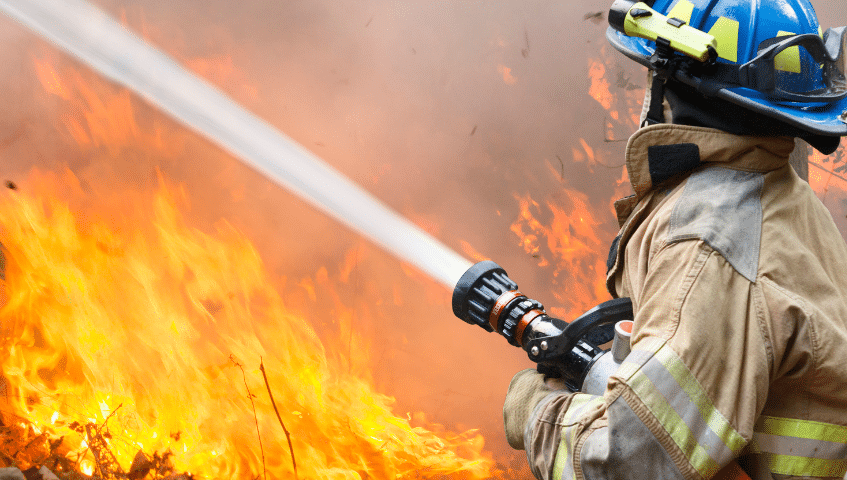
Burning materials produce smoke that stays dangerous even with a respirator. Repeated exposure is the reason Washington presumes several cancers and respiratory diseases are occupational for firefighters.
Infectious disease
Responding to medical emergencies means contact with blood and bodily fluids. HIV and AIDS, hepatitis, meningococcal meningitis and tuberculosis are all named in the presumption statute.
Cardiac events
Heart problems that appear within 72 hours of exposure to smoke, fumes or toxic substances, or within 24 hours of strenuous exertion on duty, are presumed occupational.
Vehicle collisions and roadway incidents
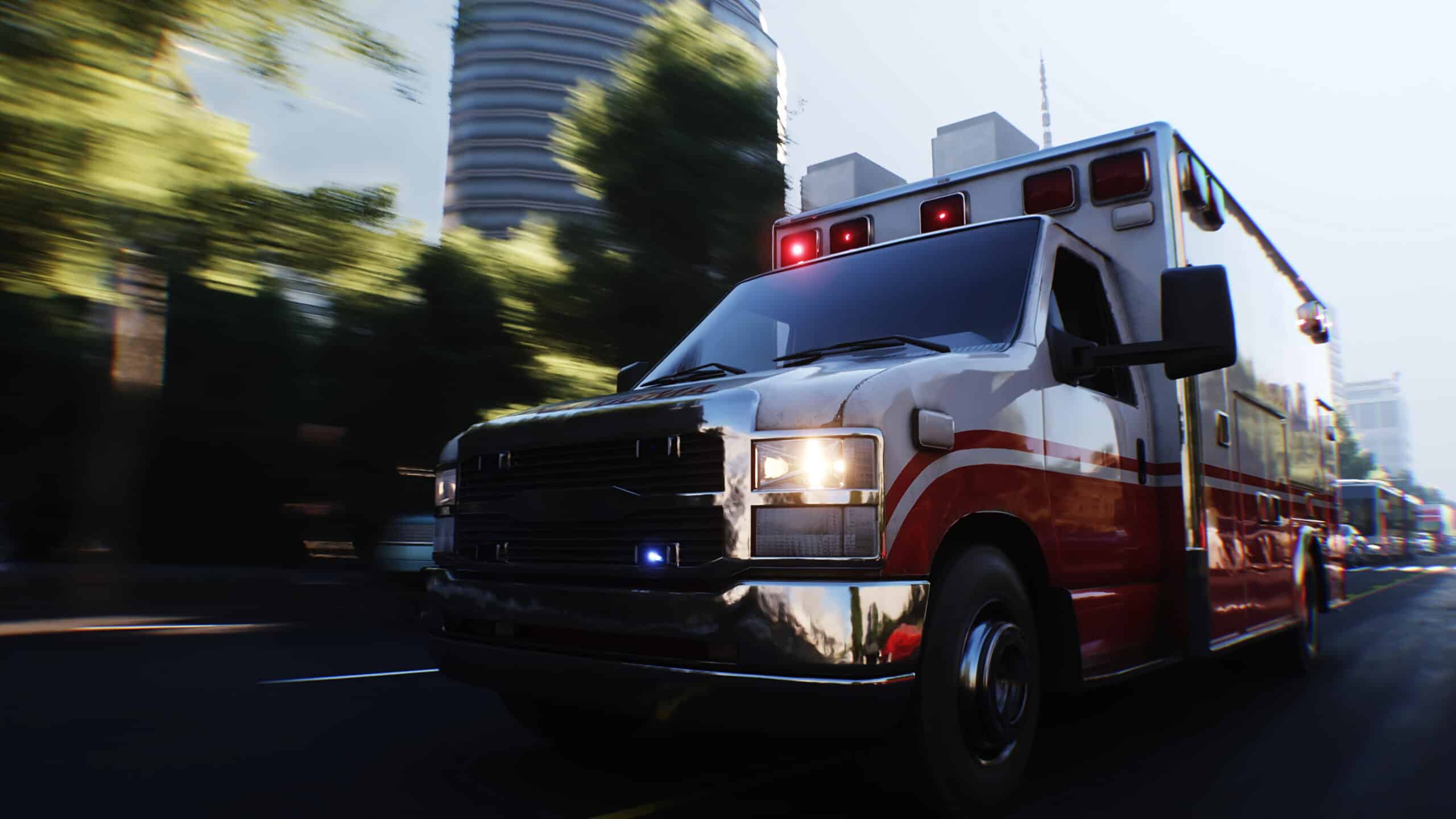
Responding at speed, and working at the roadside with traffic passing, puts police officers and EMS crews at serious risk of collision and struck-by injuries.
Assault and violent encounters
Law enforcement officers and EMS crews are injured by the people they are trying to help or arrest. These injuries are compensable, and they frequently carry a psychological injury alongside the physical one.
Psychological injury
Repeated exposure to death, serious injury and violence causes real, diagnosable harm. PTSD is a compensable condition for first responders in Washington, and for firefighters and law enforcement officers with ten or more years of service it carries the presumption.